Good oral health is not just about brushing twice a day. Many people follow basic habits but still struggle with cavities, bleeding gums, or plaque buildup. The difference often lies in small but powerful dental hygiene tips that are commonly ignored.
Maintaining strong teeth and healthy gums requires more than brushing quickly before bed. Many people believe they follow good habits, yet still experience cavities, plaque buildup, or bleeding gums. The problem is not always neglect — it is often missing the right dental hygiene tips that truly protect oral health.
Cavity prevention and gum disease prevention depend on consistency, correct technique, and awareness. Small daily improvements can significantly reduce long-term dental problems and lower the chances of requiring complex treatments. Let’s explore the powerful habits most people overlook.
The Daily Habits That Truly Protect Your Teeth”
The foundation of strong oral health begins with brushing technique. Using a soft-bristled toothbrush and gentle circular motions helps remove plaque effectively without damaging enamel. Many people brush aggressively, believing it cleans better, but this can lead to enamel erosion and gum recession over time.
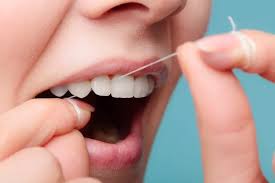
Flossing is one of the most ignored dental hygiene tips, yet it plays a crucial role in cavity prevention. Food particles trapped between teeth create ideal conditions for bacterial growth. Daily flossing disrupts this buildup and reduces inflammation around the gum line, supporting long-term gum disease prevention.
Tongue cleaning is another simple yet powerful step. Bacteria on the tongue contribute to bad breath and plaque formation. Adding a tongue scraper to your routine enhances overall hygiene and keeps your mouth fresher for longer periods.
Hydration also matters. Drinking water throughout the day washes away acids and food debris. Saliva production increases, which naturally supports cavity prevention by neutralizing harmful bacteria.
Tongue cleaning is another overlooked step in gum disease prevention. Bacteria accumulate on the tongue surface and contribute to bad breath and plaque formation. Adding this step takes less than a minute but improves hygiene dramatically.
Small improvements in dental hygiene tips today can prevent major dental treatments tomorrow.
Ignoring small dental hygiene tips today can lead to serious gum disease and costly treatments tomorrow.
Why Professional Monitoring Still Matters
Even the most disciplined home care cannot replace professional teeth cleaning. Over time, plaque hardens into tartar, which cannot be removed with a toothbrush. Regular cleanings prevent gum inflammation and detect early issues before they become painful.
Even with excellent home care, plaque can harden into tartar over time. Once tartar forms, brushing and flossing alone cannot remove it. This is where professional teeth cleaning becomes essential. Regular cleanings remove hardened deposits and reduce the risk of gum inflammation.
Professional teeth cleaning also allows early detection of hidden cavities. Many cavities develop silently without noticeable pain. Early intervention prevents the need for advanced procedures like root canal treatment.
Gum disease prevention requires monitoring. Bleeding gums, swelling, or persistent bad breath are early signs that need professional evaluation. Routine dental visits every six months strengthen your overall cavity prevention strategy.
Diet also influences dental health significantly. Reducing sugar intake, limiting acidic beverages, and choosing calcium-rich foods strengthen enamel. Balanced nutrition supports gum tissue health and reduces bacterial growth.
Another overlooked habit is replacing your toothbrush regularly. Worn bristles lose effectiveness and may harbor bacteria. Changing your toothbrush every three months improves cleaning efficiency.
Stress management is also important. Teeth grinding (bruxism) can damage enamel and strain jaw muscles. If jaw pain or morning headaches are frequent, professional advice may prevent long-term complications.
When daily dental hygiene tips combine with professional teeth cleaning, the result is healthier gums, stronger enamel, and reduced risk of decay. Prevention always costs less than restoration.
Taking small preventive actions consistently builds lifelong oral health and minimizes emergency dental visits.